DESIGN|MARCH 2026 What Pierre Paulin Taught Us About Design
본문
The Shape of Sitting
WRITER Yve

Image: Pierre Paulin Archives. Artifort.
When we talk about twentieth-century design, we often think of new forms and stylistic movements. Yet the work of French designer Pierre Paulin began with a different question. He was not trying to change the shape of furniture. Instead, he reconsidered how people sit and how they experience space. His curved chairs and low seating transformed furniture from a simple object into an experience.
Form Begins with the Body
Paulin’s design did not begin with form. He first observed the human body — how people naturally sit, where tension appears, and how the body leans and rests. His design process was simple. ' Human posture → Comfort → Structure → Form ' While most furniture design begins with form, Paulin’s work began with the human body. This is why his chairs feel natural. The curves are not decorative gestures; they are the result of the body’s movement.
From Object to Environment
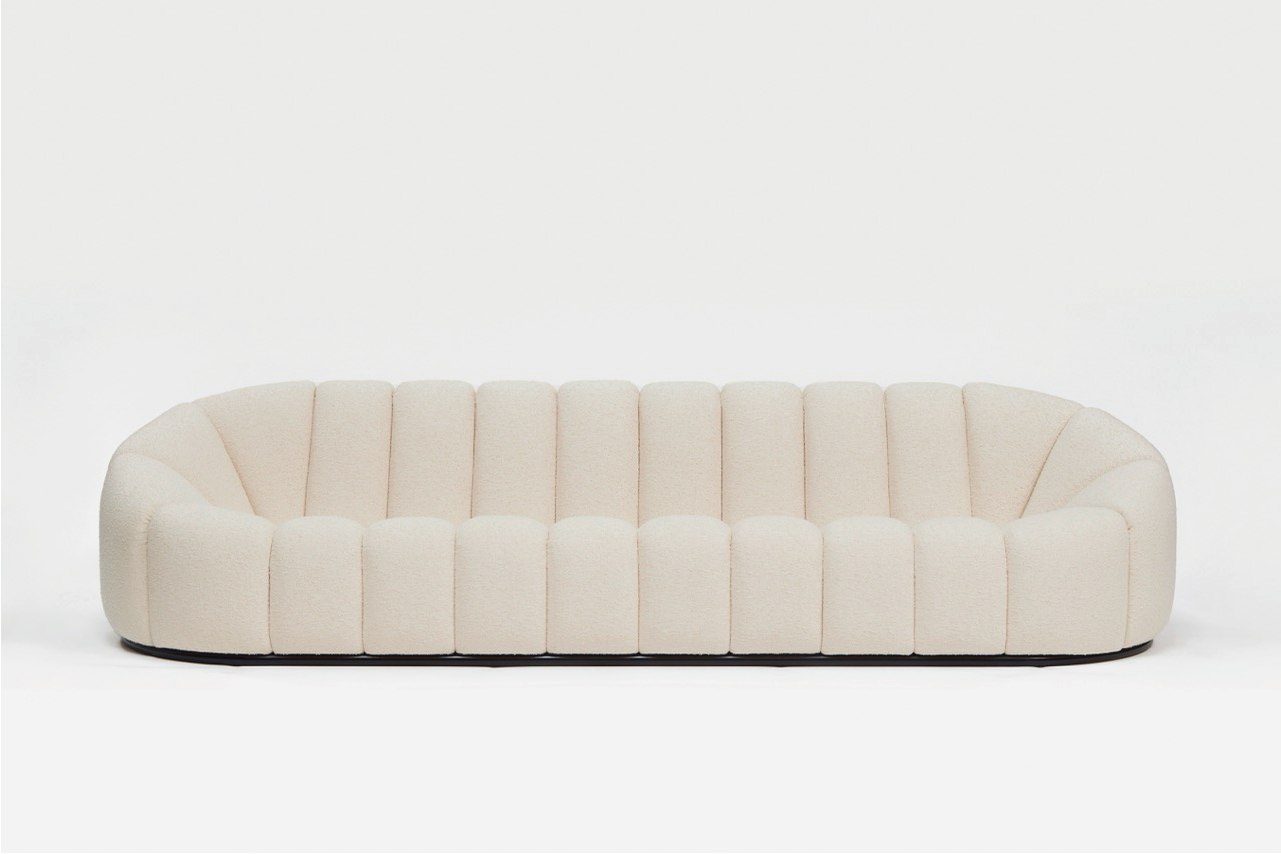
Paulin’s furniture rarely behaves like a standalone object. His designs are often low, wide, and continuous in form, spreading through space like a small landscape.
This approach turned furniture into part of the spatial environment. People sit, lean, talk, and remain there. Furniture becomes not just seating, but a device that shapes human behaviour.
The Elegance of Simplicity
Paulin’s designs are remarkably simple. Looking at his chairs, there are almost no decorative gestures or complex structures. Yet this simplicity is not a stylistic choice; it emerges from the essence of the design. The forms are not sculptural experiments. They are natural structures shaped by the relationship between the human body and comfort. That is why furniture designed in the 1960s still appears contemporary today.
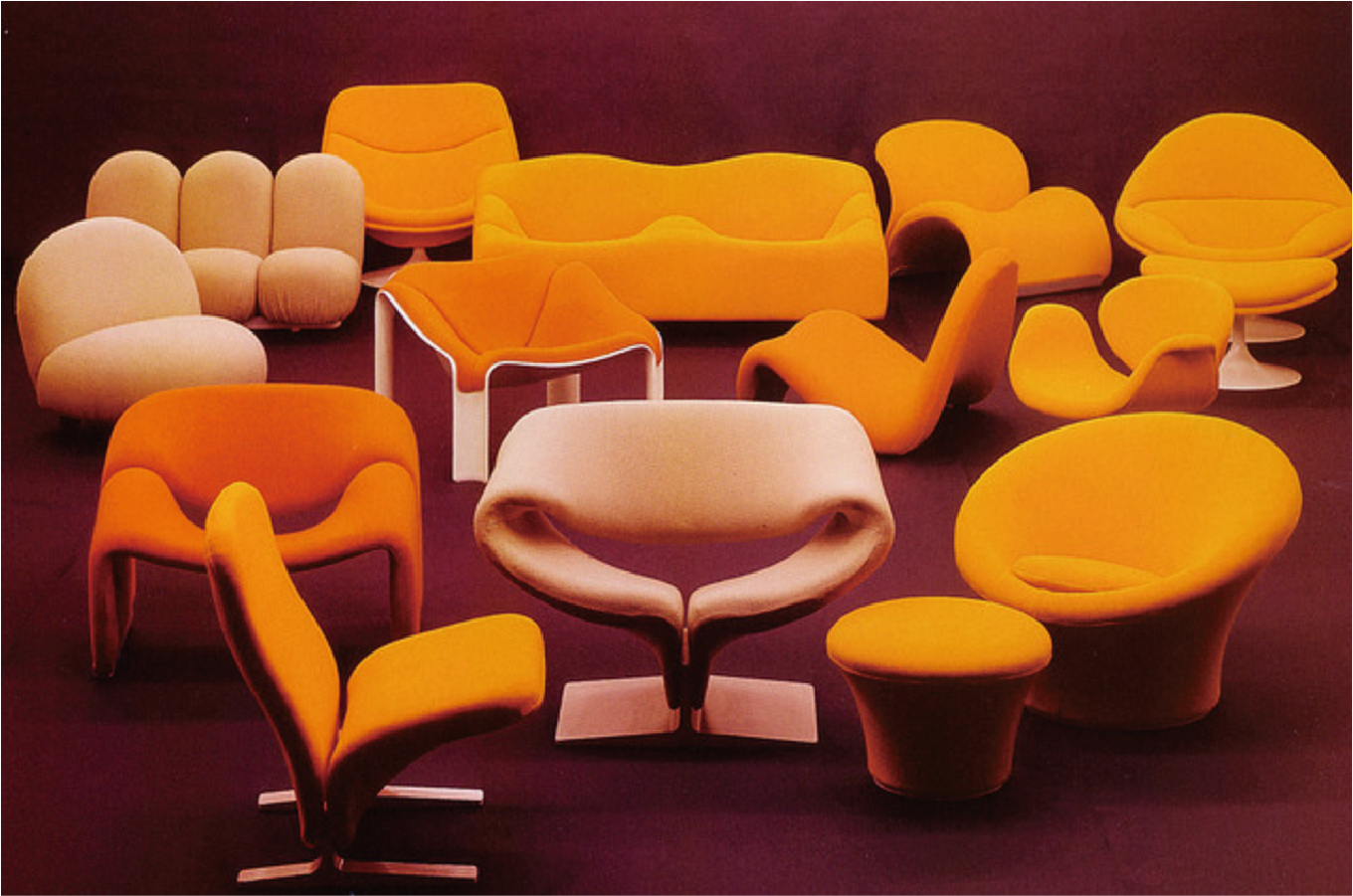
Image: Pierre Paulin Archives. Artifort.
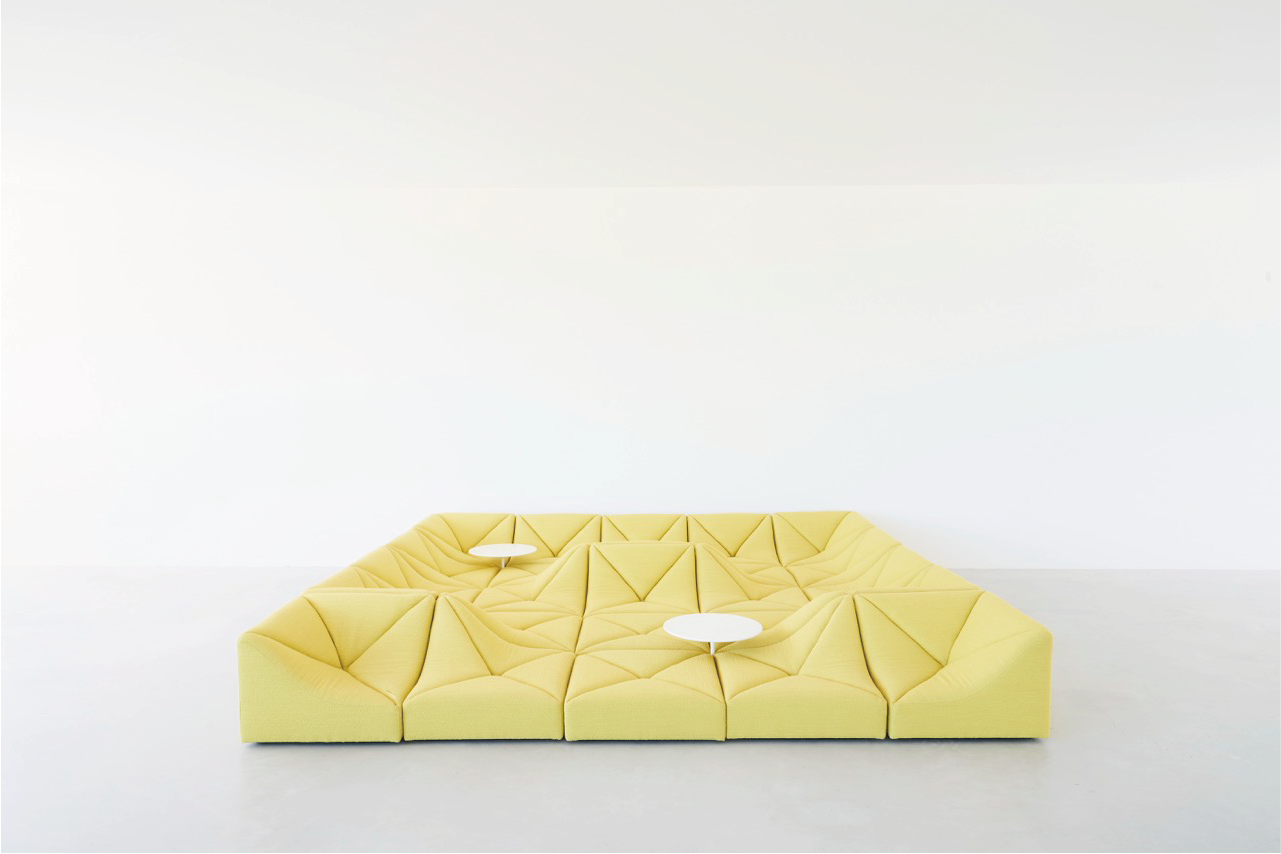
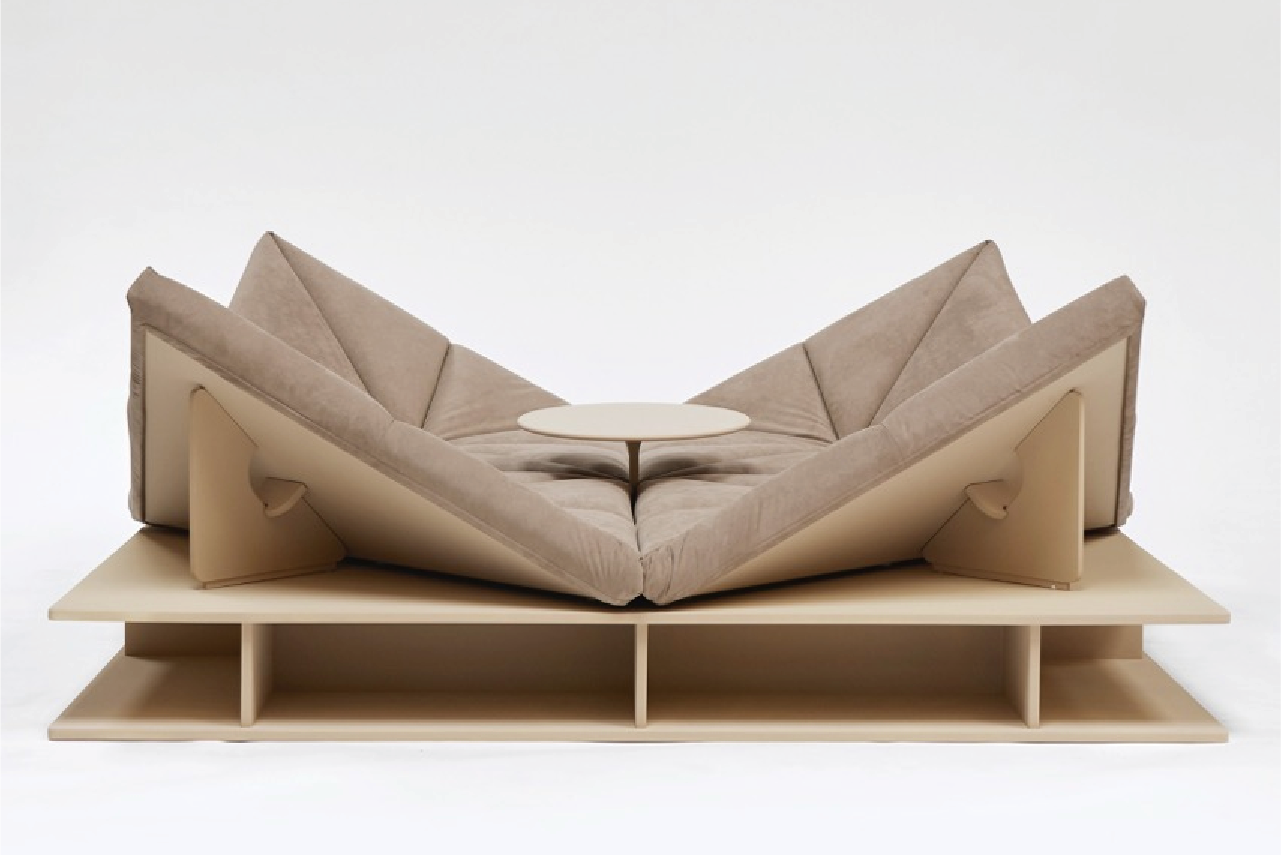
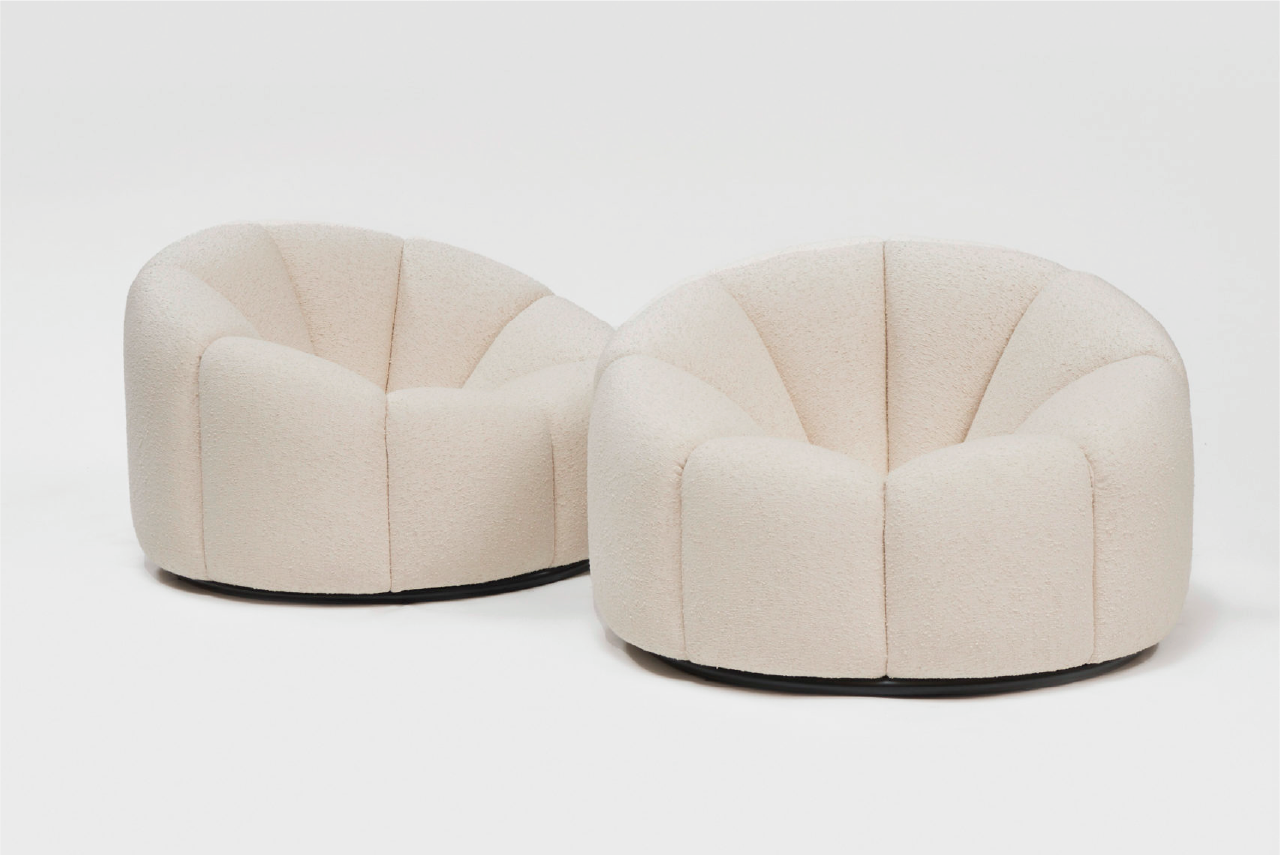
Pierre Paulin was not simply a designer who created new furniture. He designed the experience of sitting itself. Curves, fabric, low seating, and forms that embrace the body — his work transformed furniture from a simple object into an experience where the body and space meet. This remains one of the oldest lessons of good design. Good design begins not with form, but with experience. I encourage you to experience Pierre Paulin’s designs for yourself.
- PrevThere is another way to describe who I am: Otrovert March, 2026
- NextStrategy Begins Not with More Choices, but with More Exclusion March, 2026