Photographing Everyday Life: Martin Parr
In the age when AI can generate images more real than reality, Martin Parr’s photography continues to place everyday life front and center.
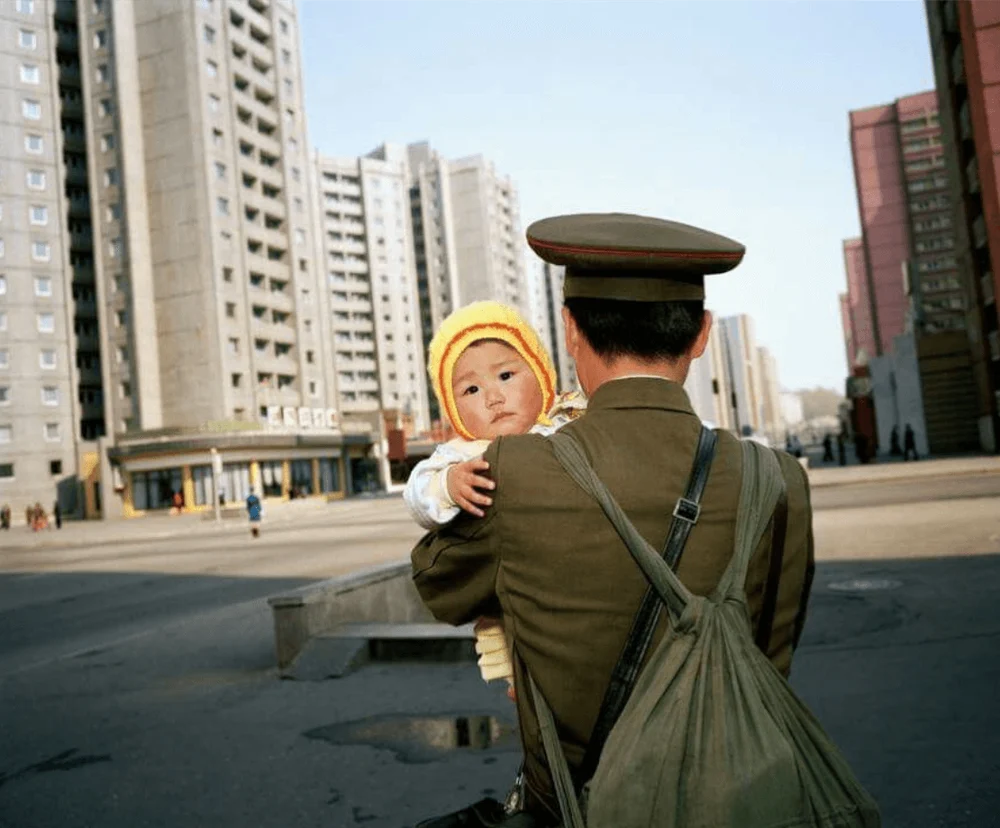
In the 21st century, amid a deluge of images, what can documentary photography reveal to us? Martin Parr’s work offers an answer, showing how photography can illuminate everyday life, what documentary photography can be, and how it might retain its power among AI-generated images. A member of the international photographic cooperative Magnum Photos, he spent decades capturing the various textures of daily life in consumer culture after the 1980s. Martin Parr: We Are Martin Parr, running at the Photography Seoul Museum of Art (SeMA) from 16 July to 18 October 2026, is the first major retrospective in Asia since he died in 2025. Particularly today, when AI can produce images that appear more real than reality itself, the exhibition is particularly timely: Parr’s photographs continue to place ordinary life front and center.
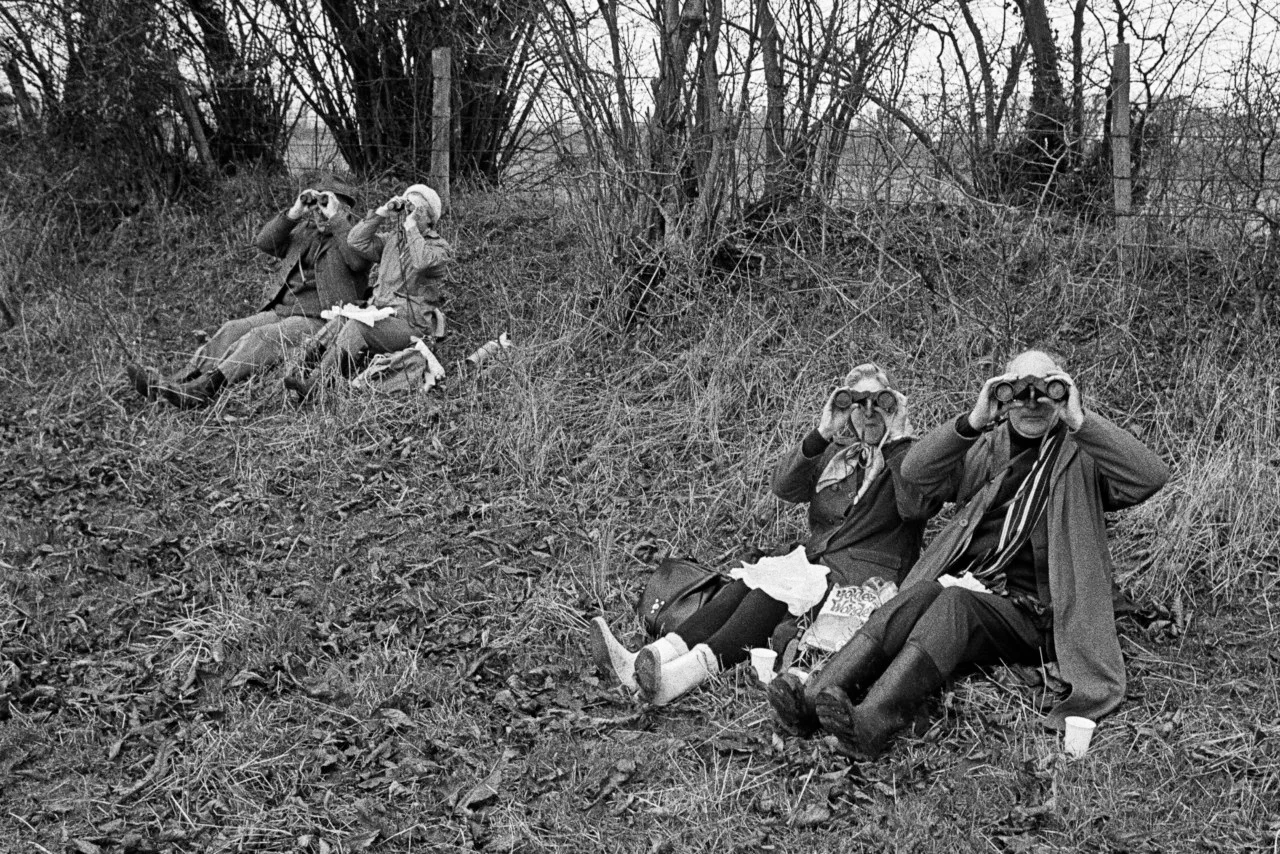
Martin Parr is a British documentary photographer best known for capturing the many features of contemporary capitalism and consumer culture. Today, he is closely associated with his bright and cheerful color, yet his first decade as a photographer worked almost entirely in black-and-white while studying at Manchester Polytechnic and beginning his career. At the time, black-and-white photography still carried artistic prestige. Whether working in color or monochrome, however, he was always concerned with what photographs can do. He found the answer in documenting forms of everyday life that were disappearing across Britain. Among urban working class and rural communities -people who might otherwise pass unnoticed- he discovered the possibilities of photography. For him, documentary photography was not about capturing extraordinary events but about preserving ordinary lives on the verge of vanishing. His work demonstrated that photography could possess both value and artistic force by documenting reality as it was. In doing so, he helped illuminate a future for photography as a documentary, remaining committed until the end of his life.
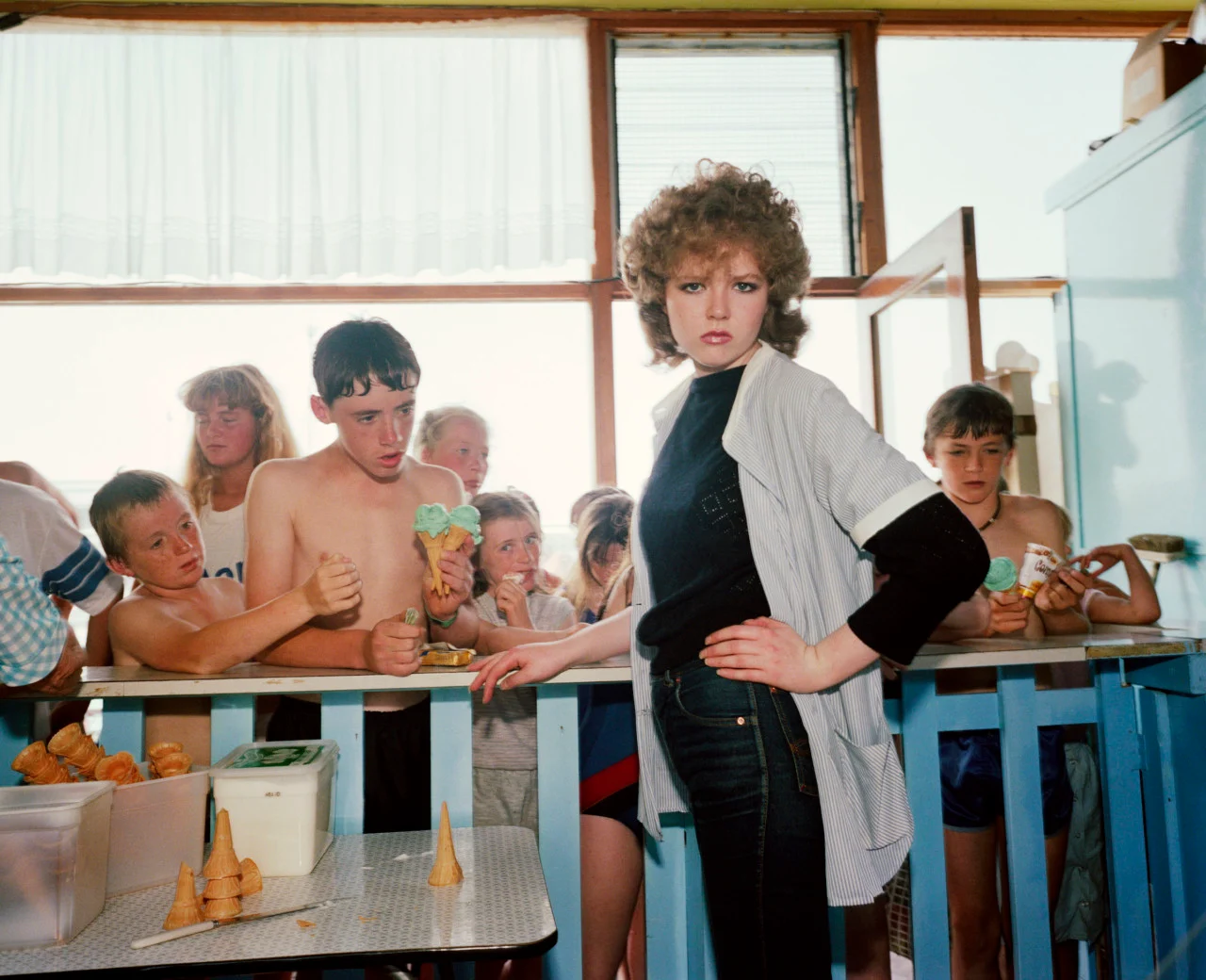
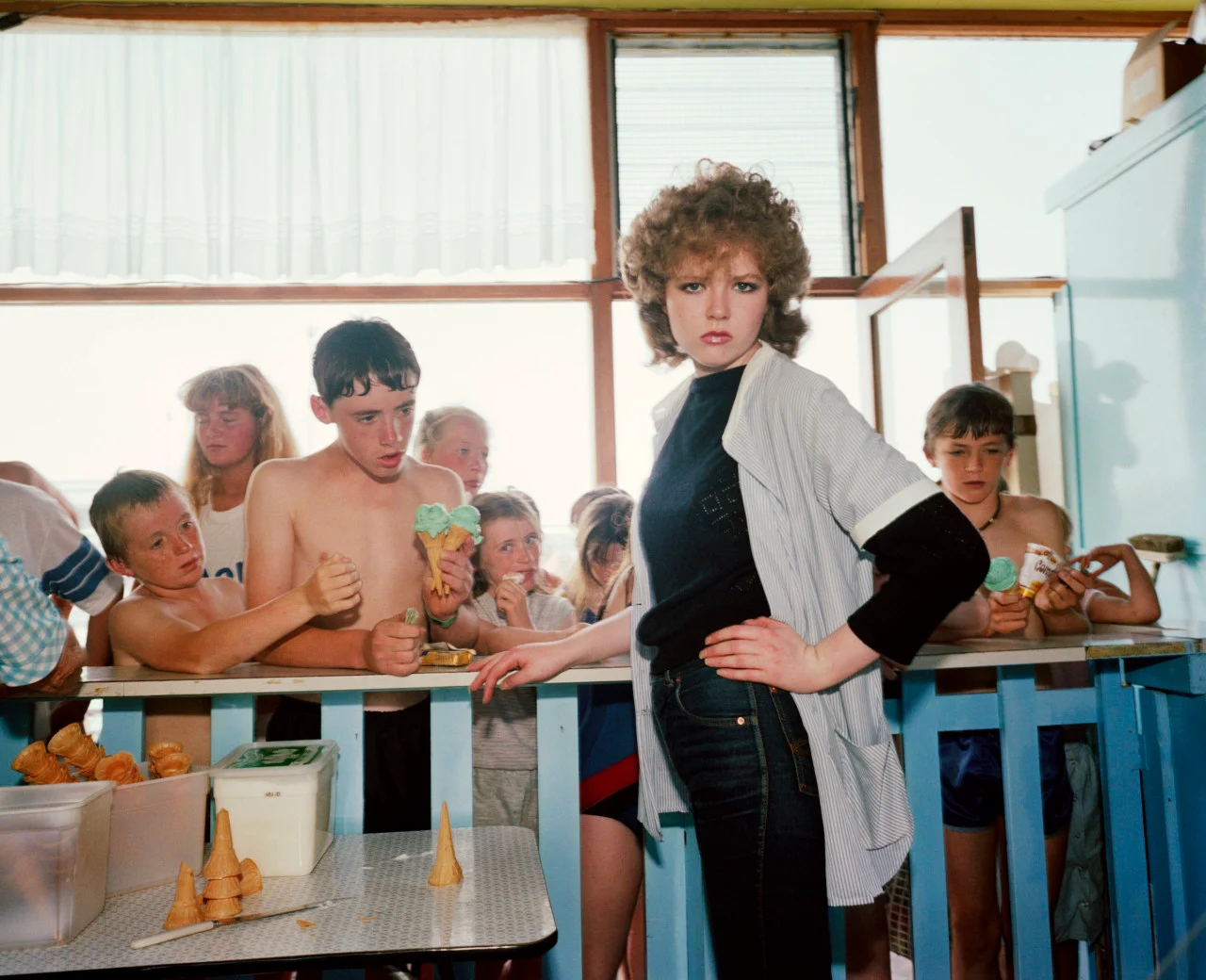
Inspired by American photographers who had pioneered the use of color in fine-art photography, Parr began working seriously in color on New Brighton beach over the summers of 1983 to 1985. The resulting body of work was published as The Last Resort: Photographs of New Brighton. In the 1980s, New Brighton was a popular holiday destination for the working class. It was also a period when Margaret Thatcher’s neoliberal economic policies were reshaping Britain and intensifying divisions between social classes. Because class division became more pronounced, the photo book was met with fierce criticism when it was first published. Some critics argued that Parr’s unflinching gaze reduced the working class to objects of voyeurism and cruelty. Parr, however he remained unmoved. As he once put it: “With photography, I like to create fiction out of reality. I try and do this by taking society's natural prejudice and giving this a twist.” Rather than retreating, he committed to portraying everyday life with honesty. As a result, his photographs are more than casual snapshots of ordinary life; they invite viewers to step back and reconsider what everyday life is made of. It is precisely because they are so unembellished that they can feel as sharp as broken glass.
Even a single photograph can sustain multiple readings: the loneliness of grey bricks in the background, for instance, or a sense of bleakness in the children’s backs that seems to foreshadow their future. Yet the same image, if used as propaganda, could be interpreted differently. The bricks might come to represent a society that must be improved, while the children could be seen as figures overcoming adversity and moving towards a better future. What underpins all these interpretations, however, is photography’s most powerful claim: the belief that it can show its subject as it is, and it has done so. A lens may introduce a degree of distortion, but the photograph could still guarantee one thing: the object has been there. Yet, this belief has become increasingly unstable in the age of digital manipulation and AI. Documentary photography, including the work of Martin Parr, has been understood as an attempt to record real events without fiction or fabrication. The 21 centuries, however, is awash with composite and AI-generated images that appear more photographic than photographs and more real than reality itself. An image viewed on a phone might be photographs of actual subjects, or images stitched together from different sources to make images never existed at all. This may represent an expansion of what an image can be, but it also weakens photography’s defining qualities: its ability to serve as proof that a subject once existed in front of camera. For this reason, his commitment to recording the world as it is has become more important than ever.
Therefore, what remains for photography is not to embellish its subjects but observe and record them carefully. The approach that Martin Parr maintained for his whole life, hot from dazzling technique but from a commitment to photograph ordinary lives before they disappeared, and to show them as they were. Parr is rightly celebrated for his sharp eye for capitalist society, but it is equally important to remember that his work began with the ordinary and the everyday. If photography’s strength lies in its ability to prove that a subject has been there in front of camera, then perhaps the future of photograph belongs to documentary committed to showing the world without embellishment. From black-and-white to color, his career unfolded alongside half a century of intensifying capitalism and consumer culture. For this reason, his work seems to point towards a direction photography could follow.
In an age such as ours, the place of documentary photography demands more serious reconsideration than ever. In fact, this question has been debated throughout the history of the medium. Yet the present moment makes it especially urgent to ask once again what photography is and what it can tell us. If the camera’s strength lies in its ability to proof that a subject has been there – offers a possible future for the medium amid the proliferation of AI-generated images. This exhibition will allow visitors not only to enjoy Martin Parr’s photographs but also to reconsider what photographs and cameras mean to us today.