






Why Does Design Miami Create a Fair?
Design Miami Paris 2026 goes beyond showcasing design to create a marketplace for discovery, connection and exchange.
Design is not shown only through exhibitions. Held in Paris in October 2026, Design Miami Paris creates a fair where people can discover design, connect with others and make transactions. As works from various galleries, designers and collectors come together and conversations unfold, design takes its place within a marketplace.
If an exhibition is a place to show works, a fair is where works meet the market. Design Miami is a collectible design fair presenting historic and contemporary furniture, lighting and objects. Multiple galleries select and present works of their own, alongside special exhibitions and brand collaboration programmes. Gallery representatives, advisers and collectors also gathered at Design Miami Paris, held from 20 to 25 October 2026 at L'hôtel de Maisons in Paris. In this mansion, once the residence of Karl Lagerfeld, conversations turned to the prices and provenance of works, and to buying them. At a fair, a work becomes a product that can meet a collector through a gallery’s introduction. It is a way of connecting design’s realm of appreciation with the realm of the market.
Encounter a range of designs in one place.
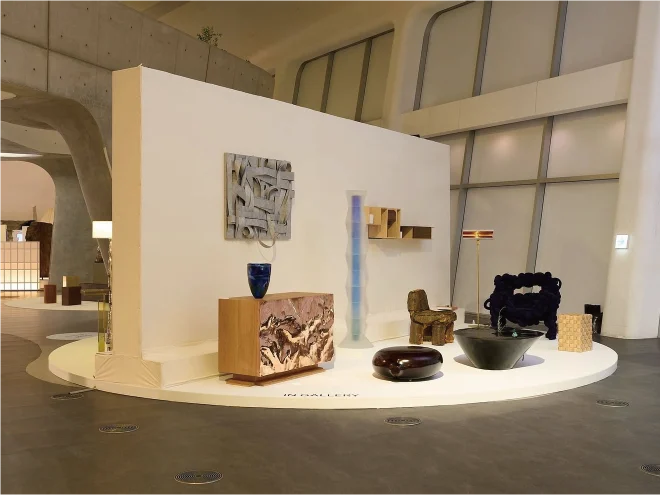
A fair’s first role is to broaden the range of choices. Design Miami brings together a number of specialist galleries, each selecting and presenting work according to its own criteria, from historic design to contemporary practice. The Paris fair in October 2026 also brought together a diverse group of galleries, presenting a broad range from historic design to contemporary work. When different works gather in one place, they can be observed differently than when each is seen on its own. Visitors can compare works from different periods and look at pieces side by side that use the same material in entirely different ways. A fair, then, is not simply a place to show many works, but one that makes it possible to see different choices in one place.
Discover new designers.
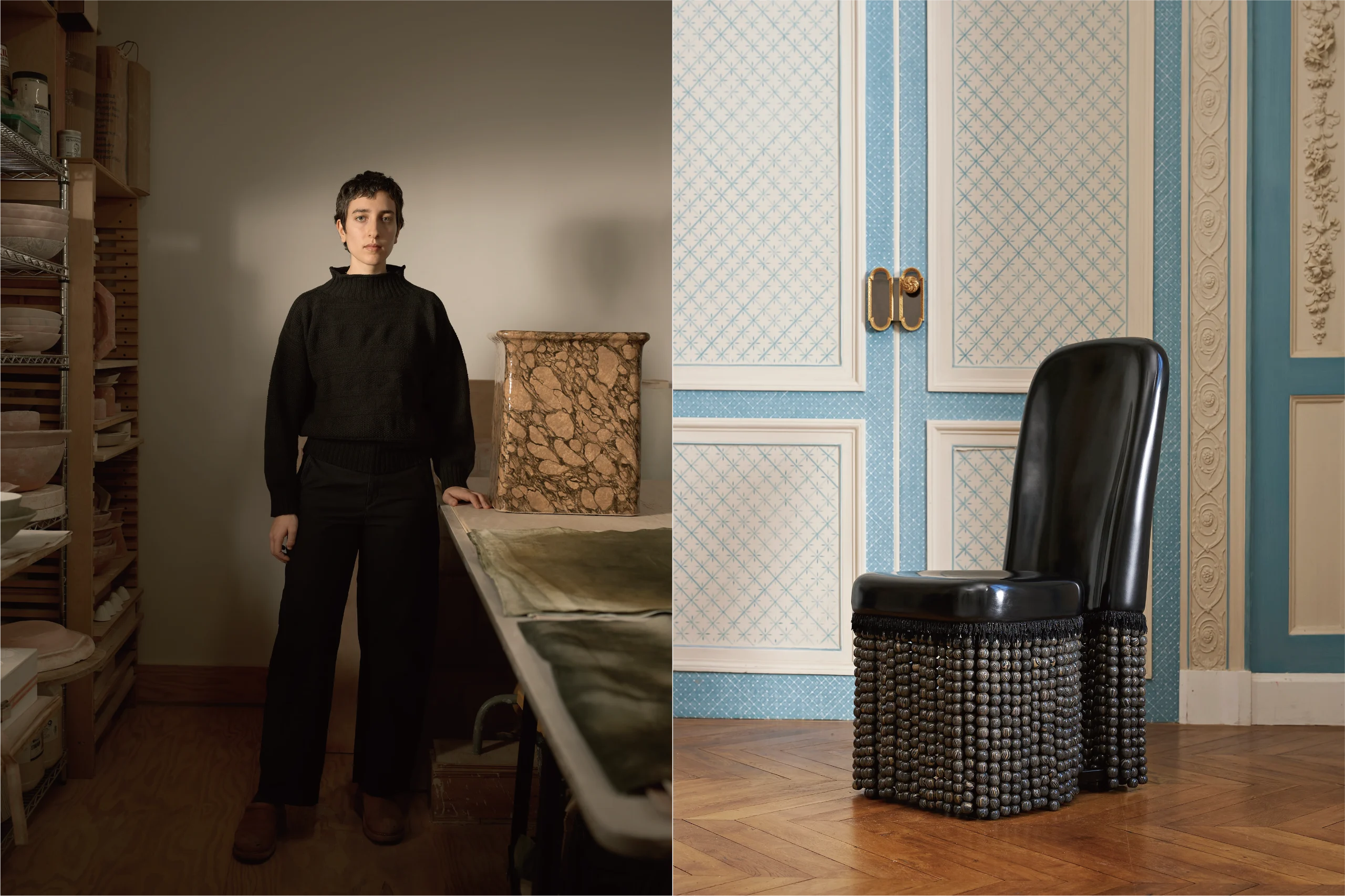
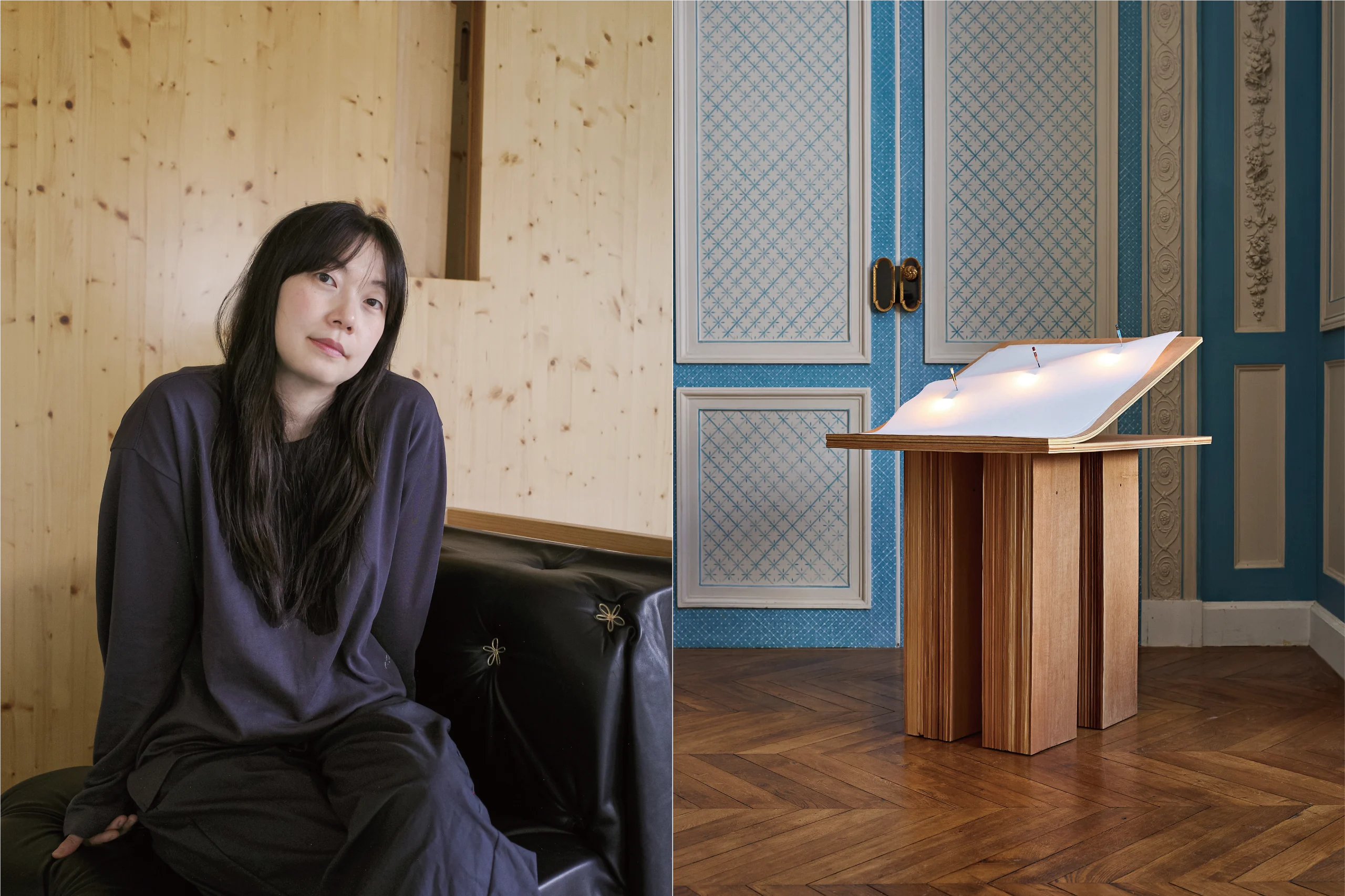
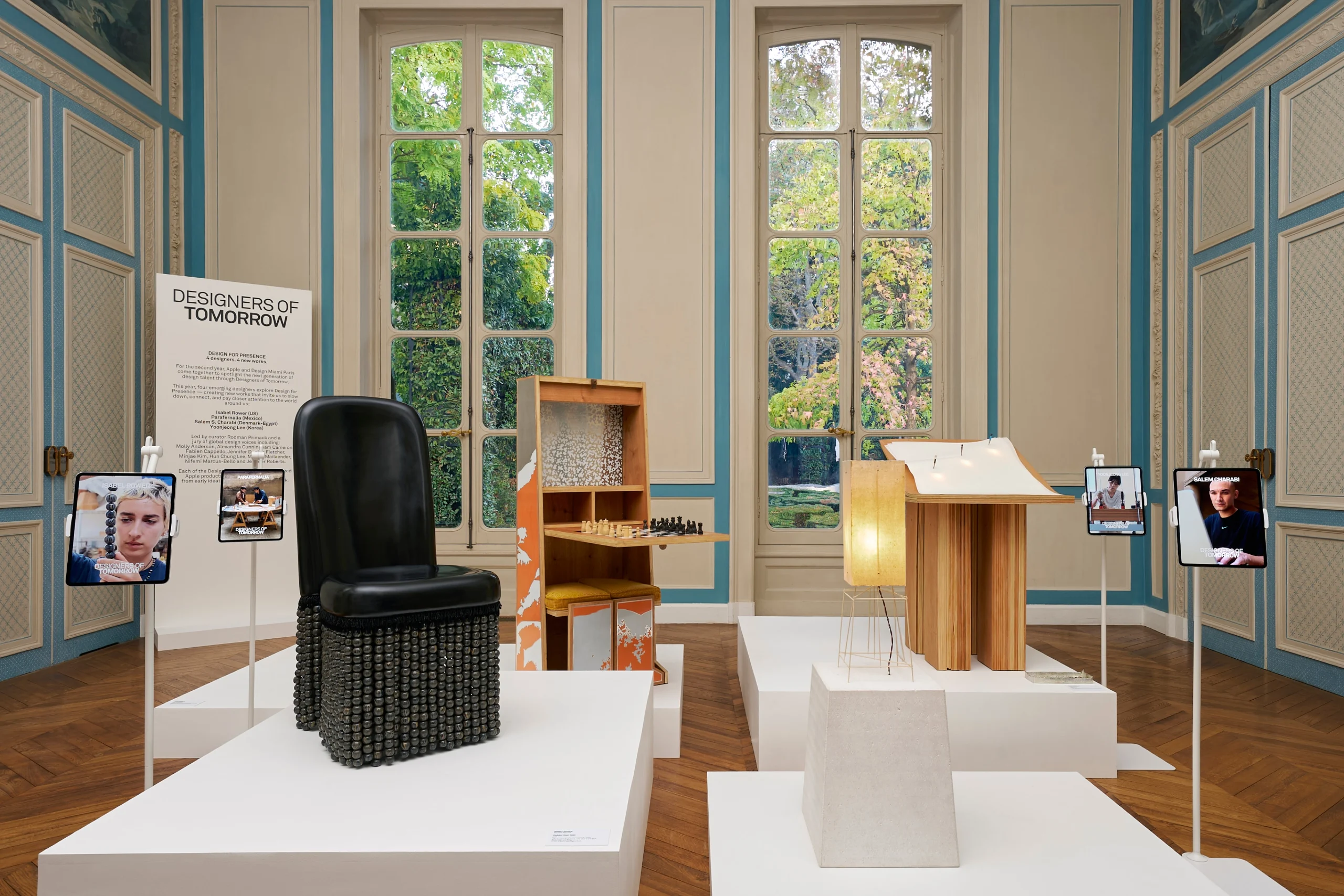
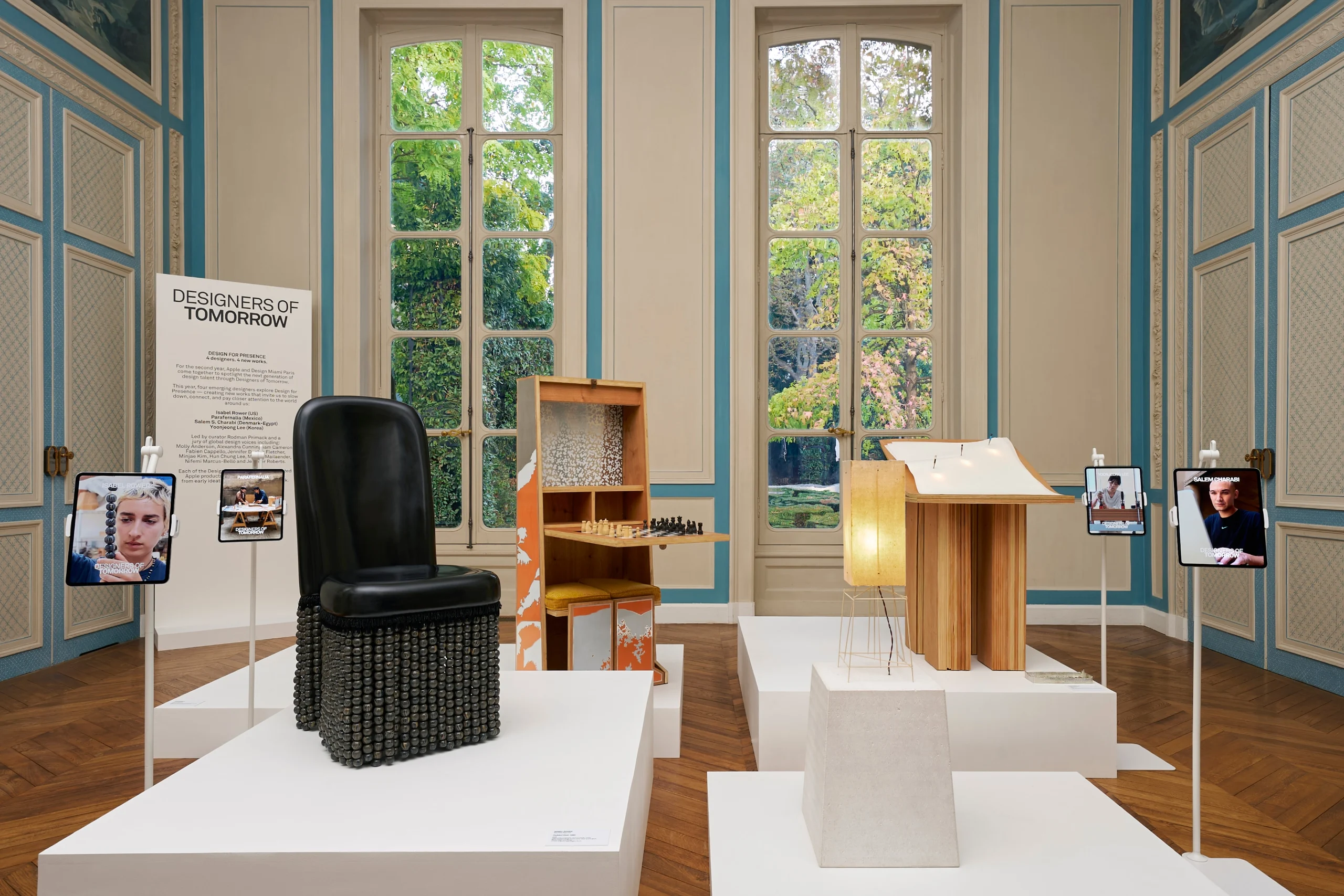
A fair also has a role in discovering and introducing new designers. Through special projects and brand collaboration programmes, as well as gallery exhibitions, Design Miami creates opportunities for emerging designers to present their work. One of the programmes to attract attention at the 2026 Paris edition was the ‘Designers of Tomorrow’ showcase, a collaboration between Design Miami Paris and Apple. Curated by Rodman Primack, the exhibition brought together four emerging design studios under the theme ‘Design for Presence’. Through a range of works, it showed how design can influence people’s senses and everyday experiences. Among the participating designers, Isabel Rower presented Padded Chair 1860, a chair adorned with around 1,500 ceramic beads. The sounds made when the beads are touched transform the act of sitting into a new sensory experience. Seoul-based Yoonjeong Lee presented New Form, a table and light that reimagines shortened pencils as structural elements. In this way, a fair does more than introduce designs that are already known; it creates an opportunity to bring new designers and works to an international stage. Collectors and galleries can discover new artists, while designers can introduce their work to a broader market.